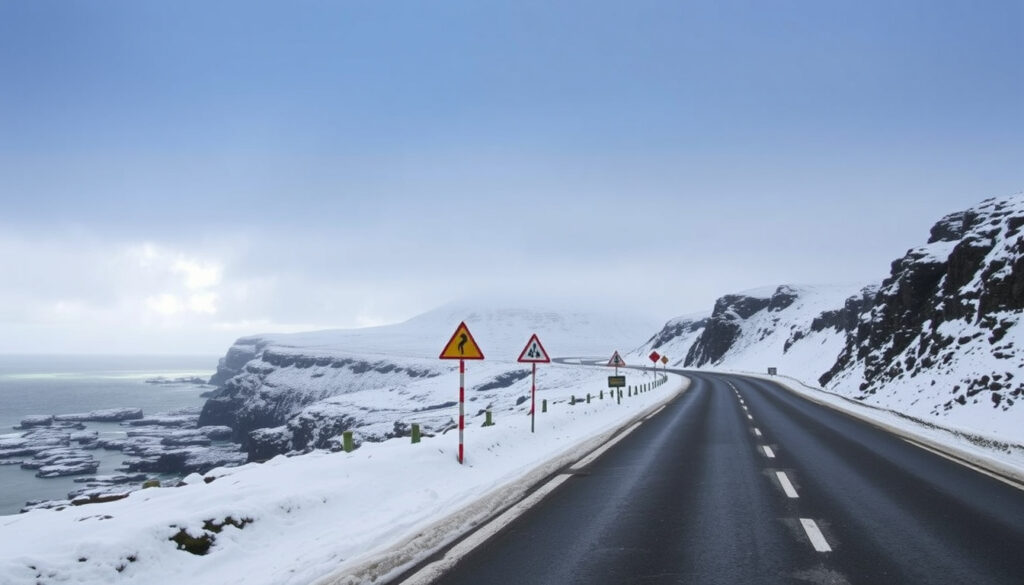
Donegal Snowfall Travel Warning: Safety & Insurance Guide
Donegal’s weather can turn a routine drive into a genuine risk in winter, yet many drivers don’t know what Met Éireann’s warnings actually mean for their travel plans or insurance cover. This guide connects the current warnings, recent storm activity, and the insurance realities you need to check before heading out.
Current Donegal weather warnings: Green (no warnings) – Met Éireann ·
Storm Amy named: 3-4 October 2025, first storm of 2025/26 season ·
Previous significant Donegal snow/ice warning: Status Yellow, January 2025 ·
Snowfall accumulation threshold for warning: 3 cm or greater below 250m AMSL ·
Driving in red weather warning: Check insurance policy; red warnings may invalidate cover
Quick snapshot
- Current Donegal warnings: Green (no warning) – Met Éireann (Ireland’s national meteorological service)
- Storm Amy named for 3-4 October 2025 – Met Éireann warnings page
- Insurance cover in red warnings not automatic – Insurance Ireland (industry guidance body)
- Exact counties affected by Storm Amy – not yet specified by Met Office
- Snowfall in Donegal in 2026 depends on winter patterns – current medium-range outlook uncertain
- January 2025: Status Yellow snow/ice warning for Donegal – The Irish Times (leading Irish news)
- 3-4 October 2025: Storm Amy arrives – first storm of 2025/26 season (The Irish Times (leading Irish news))
- Monitor Met Éireann for future snow/ice warnings
- Review motor insurance policy wording for weather-related exclusions
- Prepare vehicle with winter kit if planning travel during warnings
Four key facts, one pattern: current conditions are quiet, but the recent past and incoming storm timeline show how quickly Donegal’s winter weather can turn.
| Label | Value |
|---|---|
| Current Donegal warning | Green (no warning) – Met Éireann |
| Storm Amy date | 3-4 October 2025 |
| Recent snow/ice warning | Status Yellow, January 2025 – The Irish Times |
| Snow accumulation threshold | 3 cm below 250m AMSL – Met Éireann climate data |
What this means: with no warnings active now is the ideal time to review your cover and prepare your vehicle, before the next storm window opens.
Is there snow in Donegal now?
Current Met Éireann warnings for Donegal
- As of 9 May 2026, no active weather warnings for Donegal; status green – Met Éireann warnings page.
- Marine small craft warnings are in effect for coastal waters but no land-based snow or ice warnings.
Recent snowfall and ice events in Donegal
- In January 2025, Met Éireann issued a Status Yellow snow-ice warning for Donegal (11 counties total) valid from 9pm Thursday to 9am Friday, with sleet and snow possible on high ground – The Irish Times.
- Donegal frequently receives Status Yellow snow warnings in winter due to its northern coastal exposure – Met Éireann snow lie records.
The implication: being ready early means you won’t be caught off guard when the next warning does arrive.
What counties will be affected by Storm Amy?
Storm Amy timeline: 3 to 4 October 2025
- Storm Amy was named by the Met Office as the first storm of the 2025/26 season – Met Éireann warnings page.
- The storm is forecast to arrive on 3–4 October 2025, with specific counties affected yet to be detailed; general expectation is the Atlantic coast will be most exposed.
Expected impact areas and severity
- No county-level detail has been published yet.
- Typically, storms of this type bring strong winds and heavy rain to western counties including Donegal, Mayo, and Galway.
- For previous storms, Met Éireann has issued both wind and rain warnings covering the entire island – e.g., a Status Yellow wind warning applied to the whole country in March 2026 – The Irish Times.
Storm Amy will almost certainly send strong winds and heavy rain up the Atlantic coast. Commuters and outdoor workers across western counties should start planning alternative routes and checking vehicle readiness before the storm window opens.
What this means: the lack of detail at this stage is normal – Met Éireann typically issues county-level warnings 24–48 hours before the event. Keep checking Met Éireann’s Donegal warnings page as the date approaches.
Can I go out in a yellow weather warning?
Understanding Status Yellow snow/ice warnings
Status Yellow is the lowest level of Met Éireann warning, indicating potential for hazardous conditions – Met Éireann warning information page. It does not mean you must stay indoors, but authorities advise caution. The warning is triggered when 3 cm or more of snow is expected below 250 metres AMSL in the affected area.
Safety advice from HM Coastguard UK and Irish authorities
- HM Coastguard UK advice for storm conditions includes avoiding coastal paths and piers – applicable to Donegal’s Atlantic coast.
- During the March 2026 high-wind event, DAA advised passengers to check with airlines due to wind disruptions – The Irish Times (DAA guidance).
- Met Éireann warns of difficult travelling conditions, risk of debris, fallen branches or trees due to gusty winds – The Irish Times.
Driving in yellow and red weather warnings: insurance implications
- Travel insurance in Ireland typically covers weather-related disruptions if a trip is delayed over 12-24 hours or requires an overnight stay – Citizens Information (official public services guide).
- Policies often exclude claims for known weather events warned in advance by Met Éireann – Insurance Ireland (consumer guidance).
- For motor insurance, driving during a red weather warning may invalidate cover; you should check your policy wording carefully.
Your insurance might not pay out if you drive into a known red warning. The risk is yours: three flight diversions and eight go-arounds at Dublin Airport in March 2026 show how quickly services can be disrupted – The Irish Times (Dublin Airport data).
Are you insured to drive in a weather warning?
Insurance policies and red weather warnings
- Motor insurance policies typically include a clause excluding cover during extreme weather events – Insurance Ireland (industry advice).
- Red warning status is considered extreme. Many insurers will not cover damage or accidents that occur while a red warning is in effect.
- Check your policy’s small print for “act of God” clauses or specific weather exclusions.
Practical steps before driving in snow or ice
- Check Met Éireann’s live warnings for Donegal before leaving.
- Verify your motor insurance cover for weather warnings – call your insurer if in doubt.
- Pack a winter car kit: blanket, shovel, de-icer, high-vis jacket, torch, snacks, and a phone charger.
- Let someone know your route and expected arrival time.
- If a red warning is issued while you are on the road, pull over at a safe location and wait until the warning expires or conditions improve.
The implication: a five-minute phone call to your insurer could save you thousands in an uncovered claim. For comprehensive booster seat information in the UK for 2025, consult this guide: Booster seat guide UK 2025.
Timeline
Tracking the rhythm of warnings shows how winter weather events in Donegal follow a predictable pattern of short, intense episodes.
| Date | Event |
|---|---|
| January 2025 | Status Yellow snow/ice warning issued for Donegal by Met Éireann |
| 3-4 October 2025 | Storm Amy arrives; first storm of 2025/26 season |
The pattern: quiet gaps between warnings are the norm, but when events arrive they disrupt travel quickly.
What’s confirmed and what’s still unclear
Confirmed facts
- Current Donegal warnings: Green (no warning) – Met Éireann
- Storm Amy named for 3-4 October 2025 – Met Éireann warnings page
- Insurance cover in red warnings not automatic – Insurance Ireland guidance
What’s unclear
- Exact counties affected by Storm Amy – not yet specified by Met Office
- Snowfall in Donegal in 2026 depends on winter patterns – current outlook uncertain
Quotes from authorities
“Met Éireann issued a Status Yellow snow-ice warning for Donegal among 11 counties, with sleet and snow possible on high ground.”
— Met Éireann official warning statement, January 2025, cited via The Irish Times
“Storm Amy has been named as the first storm of the 2025/26 season by the Met Office.”
— Met Office storm naming press release, via Met Éireann warnings page
For residents and visitors in Donegal, the choice is straightforward: stay informed through official Met Éireann channels, check your insurance policy before a warning is issued, and prepare a winter travel kit now. The difference between a safe winter journey and a costly one is often just a few minutes of preparation.
Drivers in Donegal should check Met Éireanns Status Yellow snow warning for the latest updates on affected counties and road conditions before setting out.
Frequently asked questions
Is it safe to drive in Donegal during a yellow snow warning?
Yes, with caution. Status Yellow means potentially hazardous conditions – reduce speed, allow extra braking distance, and avoid mountainous routes where snow accumulations above 3 cm are expected.
What should I do if a red weather warning is issued while I’m on the road?
Stop at the nearest safe location, park away from trees and power lines, and wait for the warning to expire. Do not attempt to continue driving – your insurance may be invalidated.
How does Storm Amy compare to previous storms in Donegal?
Storm Amy is the first named storm of the 2025/26 season. It comes after a Status Yellow snow-ice warning in January 2025 and a high-wind event in March 2026 that caused flight diversions at Dublin Airport.
Where can I find the latest Met Éireann warnings for Donegal?
Check Met Éireann’s Donegal warnings page for live updates.
Does travel insurance cover trips to Donegal during snow warnings?
Standard travel insurance covers weather-related delays (over 12 hours) but may exclude claims for events warned in advance. Check your policy’s specific wording.
What is the difference between yellow, orange, and red weather warnings?
Yellow: potential hazards. Orange: increased risk of disruption. Red: extreme weather with serious danger to life and property – all travel should be avoided.
How often does Donegal get snow in winter?
Donegal receives snow a few times each winter, typically when Arctic air meets Atlantic moisture. Status Yellow warnings are common, while red warnings are rare.
More related posts
 What time is Match of the Day on tonight? BBC One guide
 The Covenant of Water: Summary, Review & Oprah Pick
 Man Utd v Brighton: Full match preview, TV channel and live stream
 Dyson Ball Multi Floor 2 Review: Is It Worth It? (2025)
 A Man of No Importance: Plot, Cast, and Where to Watch
 Best Movies to Watch: Top 10, Ratings & Rewatchable Picks
 Shannon Airport Car Park: Rates, Best Options & Booking Guide