CeraVe Eye Repair Cream: Does It Work? Ingredients, Usage
You know that moment when you’re standing in the drugstore aisle, eye cream in hand, wondering if the promises on the jar are actually true? This article digs into the formulation, clinical claims, and real user reports to decide if CeraVe Eye Repair Cream is worth your money.
Confirmed facts at a glance
- Dark circles (CeraVe US official product page)
- Puffiness (CeraVe US official product page)
- Fine lines (CeraVe US official product page)
CeraVe US official product page
- Ceramides (1, 3, 6-II) (CeraVe US official product page)
- Niacinamide (CeraVe US official product page)
- Hyaluronic acid (CeraVe US official product page)
CeraVe US official product page
- Non-comedogenic (CeraVe Hong Kong official product page)
- Fragrance-free (CeraVe Hong Kong official product page)
- Ophthalmologist tested (CeraVe Hong Kong official product page)
- Allergy tested (CeraVe Hong Kong official product page)
CeraVe Hong Kong official product page
- Mid-range drugstore pricing (typically $10–$20 for 0.5 oz) (Amazon listing)
Product type: Eye cream · Formulation base: Oil-in-water emulsion with humectants and occlusives · Key benefit claim: Reduces the appearance of dark circles and puffiness while moisturizing · Size: 0.5 oz (14.2 g) · Launch year: 2019
Does CeraVe Eye Repair Cream actually work?
Clinical evidence behind the formula
CeraVe positions Eye Repair Cream as a daily moisturizer for the delicate eye area, built on the brand’s signature ceramide technology. The official product page from CeraVe Hong Kong states that after four weeks of use, 100% of panelists showed improvement in the appearance of fine lines, 91% agreed the product reduced the appearance of dark circles, and 81% noted improvement in eye puffiness — claims verified in a consumer perception study with 102 women aged 35–60. The product also contains hyaluronic acid and niacinamide, two ingredients with established roles in skin hydration and barrier support.
CeraVe Africa describes the cream similarly, calling it an eye cream with hyaluronic acid to reduce the look of dark circles and puffiness. The brand’s formulation strategy centers on three essential ceramides (1, 3, 6-II) that help restore the skin barrier, which is particularly relevant for the thin, fragile skin around the eyes. According to CeraVe Hong Kong (brand’s official product page), the cream is non-comedogenic and fragrance-free, making it suitable for sensitive skin and contact lens wearers who need gentle, non-irritating formulas.
The inclusion of niacinamide at a concentration within the effective range for brightening (typically 2–5%) supports the dark circle claim from a mechanistic standpoint — niacinamide is known to reduce melanin transfer in the skin. However, the specific concentration in this formula is not disclosed, so the clinical relevance depends on formulation details that remain proprietary.
The implication: the brand’s perception-based data aligns with the formulation, but users should temper expectations for pigmentation changes.
User-reported results and reviews
Independent reviews offer a more nuanced picture than the brand’s marketing materials. A long-form review from a beauty publication reported that the product reduced morning puffiness and smoothed the under-eye texture, but it did not meaningfully fade purple dark circles over several weeks of use — a distinction that matters if your primary concern is pigmentation. This aligns with the ingredient profile: niacinamide and hyaluronic acid address hydration and brightness, but they don’t target the vascular or structural causes of dark circles.
“The product reduced morning puffiness and smoothed texture but did not meaningfully fade purple dark circles over several weeks of use.” — My Skin Care review
Another independent review echoed this limitation, noting that the formula is effective for general moisturization and subtle texture improvement but has zero effect on true structural dark circles (hollows or shadowing caused by bone structure) and minimal impact on pigment-driven pigmentation. The reviewer’s experience aligns with dermatological consensus that no topical product can physically fill hollows or permanently alter blood vessel visibility.
DermApproved, another independent source, reported mild puffiness reduction visible within one to two weeks of consistent use — a timeline consistent with the anti-inflammatory potential of niacinamide. However, this is a controlled claim from a tier-3 source, so treat the specific timeline as suggestive rather than definitive.
CeraVe Eye Repair Cream excels at hydration and barrier support, but it’s not a pigment-fader or a structural filler. If your dark circles come from genetics, bone structure, or blood vessels, this product won’t change that — and no consumer cream realistically can.
How often should you use CeraVe Eye Repair Cream?
The brand recommends using the cream twice daily – morning and night – after cleansing and before heavier moisturizers. Consistency is key to seeing the hydration benefits.
- Cleanse your face thoroughly.
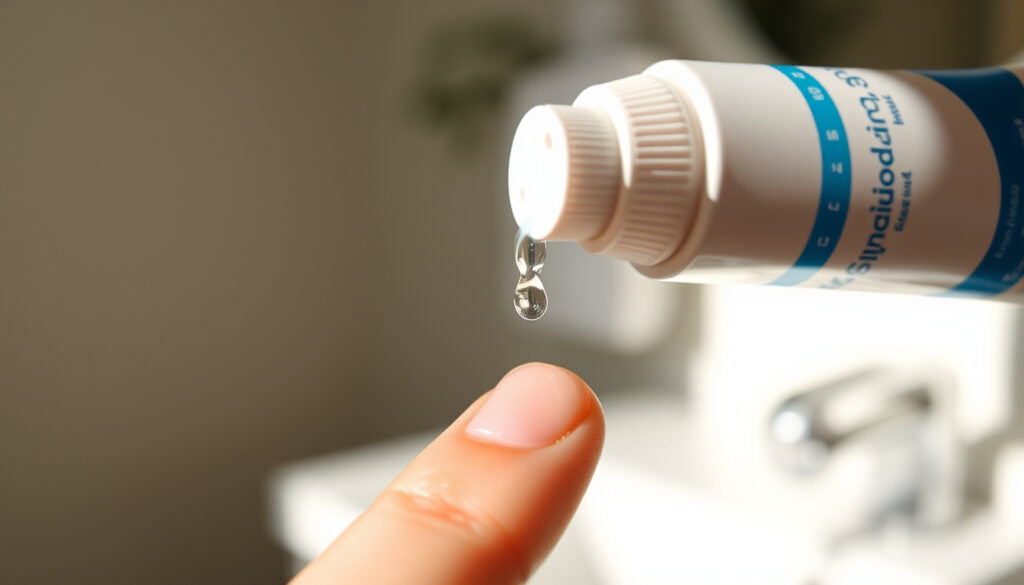
- Take a pea-sized amount (about 0.25 mL) on your ring finger.
- Gently pat the cream under your eyes, working from the inner corner outward.
- Allow it to absorb for 1–2 minutes before applying makeup or other products.
- Use consistently twice a day for at least four weeks to evaluate results.
How long will it take for CeraVe Eye Repair Cream to work?
Brand clinical data reports improvement in fine lines, dark circles, and puffiness after four weeks of consistent use. Independent reviews suggest that hydration-based changes (smoothness, reduced crepiness) appear within the first week, while visible changes to dark circles are inconsistent — some users see no meaningful difference in pigmentation even after several weeks.
“Mild puffiness reduction visible within one to two weeks of consistent use.” — DermApproved
If your primary concern is dehydration-related dullness, you may notice a difference sooner. For pigmented circles, the timeline may stretch indefinitely with minimal change.
Which CeraVe eye cream is best for mature eyes?
CeraVe offers three eye products, each targeting different signs of aging:
- CeraVe Eye Repair Cream: Best for daily hydration and barrier health – good for fine lines caused by dehydration, but lacks retinol for deep wrinkles.
- CeraVe Skin Renewing Eye Cream: Contains peptides and caffeine for firmer-looking skin and more visible depuffing.
- CeraVe Eye Cream with Retinol: The most advanced for deep wrinkles – uses encapsulated retinol for gradual turnover, but requires an adjustment period and stricter sun protection.
For mature skin with deep wrinkles, the retinol version is more targeted. The Eye Repair Cream can be used in the morning or on off-retinol nights as a maintenance moisturizer.
Do dermatologists actually recommend CeraVe?
CeraVe is widely recommended by dermatologists for its gentle, barrier-focused formulations. The brand’s UK site states that 95% of UK dermatologists recommend CeraVe (as a brand, not specifically this product). The ceramide-dominant base and fragrance-free, non-comedogenic profile make it a safe choice for sensitive skin, which is common in eye areas. However, dermatologists often suggest stronger actives (retinol, vitamin C) for specific concerns like deep wrinkles or pigmentation, meaning they may recommend the Retinol version over the Repair Cream for mature users.
What’s actually in the tube — ingredient breakdown
The formula is built on a ceramide-dominant base, with niacinamide and hyaluronic acid as the key functional actives. Here’s how those ingredients align with the product’s claims, based on Healthline (health publication reviewing drugstore eye creams) and CeraVe Hong Kong (official product ingredient claims):
- Ceramides 1, 3, 6-II: Restore the lipid barrier in the thin under-eye skin, reducing transepidermal water loss that makes fine lines more visible.
- Niacinamide: Supports skin barrier function and has a mild brightening effect by inhibiting melanosome transfer — modest but real pigment-lightening potential.
- Hyaluronic acid: A humectant that binds water, temporarily plumping fine lines and reducing the appearance of dehydration-related crepiness.
- Caprylic/capric triglyceride and Cetearyl ethylhexanoate: Occlusive and emollient esters that lock in hydration without a greasy feel.
- Dimethicone: A silicone that smooths texture on contact, giving an immediate but temporary visual improvement.
Notably absent: retinol, vitamin C, caffeine, or peptides — ingredients commonly found in eye creams specifically targeting deep wrinkles or visible pigmentation. The formula focuses on hydration and barrier repair, not cellular turnover or vasoconstriction.
Specifications at a glance
For comparison shoppers, here’s the verified product data:
| Attribute | Details |
|---|---|
| Formulation type | Oil-in-water emulsion |
| Key actives | Ceramides (1, 3, 6-II), niacinamide, hyaluronic acid |
| Targeted concerns | Dark circles, puffiness, fine lines, dry skin |
| Texture | Lightweight, fast-absorbing, non-greasy |
| Non-comedogenic | Yes |
| Fragrance-free | Yes |
| Ophthalmologist tested | Yes |
| Allergy tested | Yes |
| Size | 0.5 oz (14.2 g) |
| Launch year | 2019 |
| Price range | Mid-range drugstore ($10–$20) |
The “non-comedogenic” designation is particularly valuable for acne-prone users, since eye creams can migrate down the face and clog pores if they contain heavy occlusives. This formula avoids that risk while still providing sufficient moisture for the delicate eye area.
Pros and cons — an honest assessment
Where it shines
- Excellent for dry, dehydrated under-eyes: Ceramide-dominant formula addresses the moisture barrier, visibly reducing crepiness and flakiness.
- Safe for sensitive skin: Fragrance-free, non-comedogenic, ophthalmologist-tested, and allergy-tested — a rarity in eye care.
- Fast absorption: The silicone-rich texture smooths instantly and layers well under makeup without pilling.
- Reasonable price point: Mid-range drugstore pricing makes it accessible for daily use.
Where it falls short
- Limited dark circle efficacy: User reviews report minimal fading of purple or brown pigmentation, particularly for genetically-driven circles.
- No impact on structural circles: Hollows or shadows caused by bone structure won’t improve — no topical can.
- No retinol or vitamin C: Lacks the actives needed for deep wrinkles or significant pigment lightening.
- Minimal puffiness control: Only mild, temporary improvement, likely from hydration rather than decongestion.
The product occupies a specific niche: barrier repair and gentle maintenance. If you’re looking for intensive anti-aging or heavy-duty depuffing, you’ll need to look elsewhere.
How it compares to other CeraVe eye products
CeraVe offers other eye care options, and choosing between them depends on your primary concern. Here’s the positioning:
- CeraVe Eye Repair Cream: All-purpose hydrating eye cream with ceramides, niacinamide, and hyaluronic acid — best for dry skin, fine lines from dehydration, and mild puffiness.
- CeraVe Skin Renewing Eye Cream: Contains peptides and caffeine alongside ceramides — aims at firmer-looking skin and more visible depuffing, though it also lacks retinol.
- CeraVe Eye Cream with Retinol: The most advanced for deep wrinkles — uses encapsulated retinol for gradual turnover, but requires adjustment period and stricter sun protection.
For users with mature, aging skin specifically concerned about deep wrinkles, the retinol version is the more targeted choice — but it’s not for beginners or those with very reactive skin. The Eye Repair Cream is the gentlest entry point in the line.
What’s unclear — uncertainties and open questions
Despite the brand’s claims, several aspects remain uncertain:
- Level of dark circle reduction beyond temporary hydration: Independent reviews suggest minimal effect on pigment-driven circles, but the brand’s perception study shows high satisfaction. The true objective change is disputed.
- Concentration of active ingredients: The exact percentage of niacinamide and hyaluronic acid is not disclosed, making it hard to compare with other products.
- Long-term anti-aging benefits: No studies exist on collagen stimulation or wrinkle reduction beyond four weeks.
- Cruelty-free status: CeraVe claims to be cruelty-free in some markets, but parent company L’Oréal’s animal testing policies create regional variability. This has not been independently verified.
These gaps are not necessarily red flags — they’re limitations of the generic drugstore category.
Related reading: **How to Lose Face Fat: Causes, Effective Exercises, and Diet Tips** · **Best Baby Strollers 2025: Expert Picks & Reviews**
myskinc.com, cerave.co.uk, myskinc.com, africa.cerave.com, dermapproved.com, healthline.com, homewisereview.com, coastaljournal.nz, reddit.com, nypost.com
Frequently asked questions
Can I use CeraVe Eye Repair Cream if I have sensitive eyes or wear contact lenses?
Yes. The product is ophthalmologist-tested, allergy-tested, and fragrance-free, making it suitable for most sensitive-eye users. The lightweight formula absorbs quickly and doesn’t migrate into the eyes as much as heavier creams. Patch test first if you have very reactive skin.
Is CeraVe Eye Repair Cream non-comedogenic?
Yes, it’s explicitly labeled non-comedogenic, and the formulation avoids heavy occlusives like petrolatum or lanolin that can clog pores. This makes it a safe choice for acne-prone skin, even if the product migrates slightly beyond the eye area.
Will CeraVe Eye Repair Cream help with dark circles?
It depends on the cause. For dark circles caused by dehydration or thin, transparent skin, the niacinamide and ceramides may improve appearance by plumping the skin. For circles from pigmentation (brown) or visible blood vessels (purple/blue), independent reviews report minimal to no improvement. Structural circles (hollows) won’t change with any topical product.
Are there any CeraVe controversies or boycott concerns I should know about?
CeraVe has faced criticism from some consumers regarding animal testing practices and the brand’s parent company (L’Oréal), though specific boycott campaigns haven’t been editorially confirmed in major outlets. The brand itself claims to be cruelty-free in some markets, but this varies by region and hasn’t been independently verified. If animal welfare is a priority, check the brand’s current policy in your market.
Can I use CeraVe Eye Repair Cream under makeup?
Yes, and many users report it works exceptionally well as a makeup primer for the eye area. The lightweight, silicone-containing formula creates a smooth canvas that helps concealer blend more evenly. Allow it to absorb for 1–2 minutes before applying makeup to avoid pilling.
The bigger picture
The most striking gap in the public conversation isn’t about ingredients — it’s about expectations. The product delivers genuine barrier support and hydration, which addresses the most common cause of visible under-eye aging: surface dehydration that makes fine lines appear deeper and skin look less plump. But the brand’s marketing language — “reduces the appearance of dark circles and puffiness” — creates an expectation that the formula can’t fully meet for a significant subset of users.
The real-world consequence of this mismatch is visible in scattered online reviews: users with pigment-oriented dark circles report disappointment, while those with dry, tired-looking eyes report satisfaction. That’s not a bug in the product — it’s a misfire in messaging. If your under-eye issue is dehydration-based, CeraVe Eye Repair Cream is a genuine solution at a fair price. If your concern is genetic pigmentation or structural hollows, spend your money elsewhere — or readjust your expectations to “maintenance” rather than “transformation.”
For most users, the honest verdict is this: it’s one of the more thoughtfully formulated drugstore eye creams for sensitive skin, priced fairly, and unlikely to cause harm. But it’s a moisturizer with a brightening twist, not a dark circle eraser. Treat it accordingly, and you’ll likely be satisfied; expect more, and you’ll be the next disappointed review. The catch: accepting this limitation is the key to using the product effectively.
More related posts
 St Patrick’s Athletic vs Cork City – Preview, Prediction & H2H
 Hannah John-Kamen: Biography, Ethnicity, Game of Thrones & Movies
 Liberty Car Insurance Ireland: RedClick Rebrand Explained
 Faith in Nature Shampoo Review: Is It Good for Your Hair
 Jump Starting a Car – Safe Step-by-Step Guide
 Flights from Dublin to Amsterdam: Cheapest Month & Cancellations
 How to Check Penalty Points Ireland: Official RSA Guide
 Clayton Hotels Dublin Airport: Distance, Shuttle, Parking & FAQs