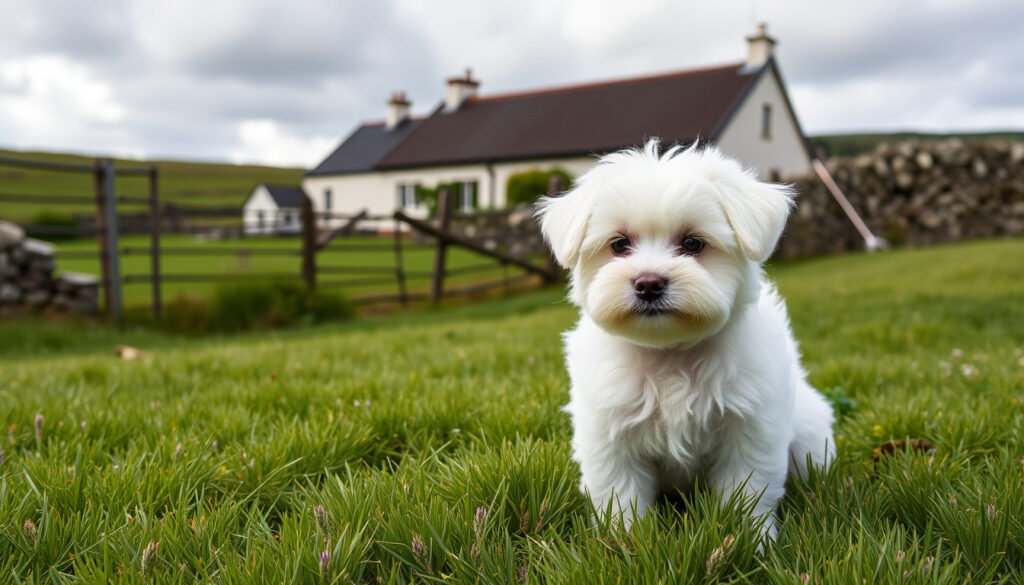
Bichon Frise for Sale in Ireland: Costs, Breeders & Guide
There’s a reason the Bichon Frise is one of Ireland’s most sought-after small breeds. With a life expectancy of 12 years or more and a hypoallergenic coat that rarely sheds, they make wonderful companions for families and first-time owners alike. But finding a Bichon Frise for sale in Ireland — and knowing what to pay — can be confusing with so many listings online. This guide gives you the facts on cost, breeders, and what to watch out for.
Average Lifespan: 12–15 years ·
Typical Cost: $500–$2,000 (€450–€1,800) ·
Weight: 5–10 kg ·
Shedding Level: Low ·
Temperament: Playful, affectionate, gentle ·
Energy Level: Moderate
Quick snapshot
- Bichon Frise have a life expectancy of 12+ years (Dogs Trust, Ireland’s largest animal welfare charity)
- They are a small breed with a pale, curly coat, always white, cream, or apricot (Dogs Trust)
- Dogs.ie currently lists 16 Bichon Frise for sale in Ireland (Dogs.ie, Irish dog marketplace)
- Exact prices vary widely; no official price list exists for Ireland.
- Health issues frequency depends on individual line and care quality.
- Teacup Bichon Frise availability and pricing is not standardized across sellers.
- Bichon Frise puppies are available year-round; no seasonal spikes observed (DoneDeal listings show consistent supply)
- Contact breeders directly via Dogs.ie or DoneDeal.
- Verify IKC registration and health certificates before purchase.
- Prepare for regular grooming and initial vet visits.
Seven key characteristics summarise the Bichon Frise at a glance — the breed combines small size with a hardy constitution.
| Attribute | Detail | Source |
|---|---|---|
| Height | 23–30 cm (9–12 in) | VCA (veterinary care provider) |
| Weight | 5–10 kg (11–22 lb) | VCA |
| Coat | Double coat, curly, hypoallergenic | Dogs Trust |
| Color | White, cream, or apricot | Dogs Trust |
| Lifespan | 12–15 years | Dogs Trust |
| Temperament | Playful, affectionate, gentle | Dogs Trust describes them as typically less active |
| Shedding | Low | Dogs.ie breed profile notes minimal shedding |
The pattern is clear: a compact frame with a long lifespan and low-shedding coat.
How much does a Bichon Frise cost?
Average price range
Across Irish marketplaces, prices for a Bichon Frise puppy typically land between €500 and €1,200. On DoneDeal, 18 listings show prices concentrated in that bracket. In the UK, Pets4Homes (UK pet marketplace) reports an average of roughly £670 for a purebred puppy.
Factors affecting cost
Pedigree, IKC registration, health certifications, and the breeder’s location all influence the final price. A listed Bichon Frise in Kerry with IKC registration is priced at €750, according to Dogs.ie. In contrast, a Tynock listing on Dogs For Sale Ireland offers two Bichon Frise dogs for €550 each. The difference reflects whether the puppy comes with registration and health records.
Teacup Bichon Frise price
“Teacup” Bichons are not a recognised variety; the term generally describes smaller-than-average puppies that often carry higher health risks. Breeders advertising teacup versions on platforms like Dogs.ie sometimes ask for €800–€1,500, though no standardised price exists.
What is the downside of a Bichon Frise?
Health issues
Bichon Frise are prone to allergic skin conditions, dental problems, and patellar luxation. Dogs Trust notes that while they are generally healthy, regular vet checks are necessary to catch issues early. Separation anxiety is common if left alone for long hours.
Grooming requirements
Their curly coat demands daily brushing and professional grooming every 4–6 weeks. Without it, matting and skin infections can develop. Dogs.ie emphasises that grooming is a non-negotiable commitment for owners.
Separation anxiety
Bichons form strong bonds with their families. Dogs Trust describes them as typically less active, which means they prefer company over long periods alone. Owners who work away from home may need dog walkers or daycare.
The Bichon Frise’s charming coat and affectionate nature come with a high grooming cost and risk of separation anxiety — consider your daily schedule before committing.
What are the four types of Bichons?
Cynologists group the Bichon family into four distinct breeds, each with unique coat and size traits.
- Bichon Frise — the classic white, curly-coated companion weighing 5–10 kg.
- Bichon Havanais (Havanese) — a slightly smaller, silkier-coated breed with a similar temperament.
- Bichon Bolognese — robust and reserved, with a pure white coat that forms a dense cloud.
- Bichon Maltese (Maltese) — the smallest of the group, with a long, straight white coat.
All four are low‑shedding and suited to allergy-sensitive households. According to Dogs Trust, the Bichon Frise remains the most popular in Ireland.
Knowing the four types prevents confusion when browsing listings — many “Bichon” ads may actually be Havanese or Maltese crosses. Always ask for the breeder’s pedigree documentation.
What is the life expectancy of a Bichon Frise?
Average lifespan
The Bichon Frise typically lives 12–15 years, with Dogs Trust placing the lower bound at 12+. Proper care can push that toward 15.
Factors influencing longevity
Diet, exercise, dental hygiene, and regular vet visits are the pillars of a long life. Pets4Homes advises owners to budget for annual health checks and dental cleanings.
Health care for a long life
Common issues like allergies and knee problems can shorten lifespan if untreated. Dogs Trust recommends proactive vet visits from puppyhood onward.
The implication: a long life is achievable but depends on consistent preventive care.
“The Bichon Frise is a generally healthy breed, but regular health checks are essential to catch problems early.”
— Dogs Trust
Should I get a male or female Bichon?
Temperament differences
Males tend to be more affectionate and playful; females are often described as slightly more independent. Both respond well to socialisation. Dogs.ie notes that gender differences are subtle in this breed.
Size differences
Males stand 25–30 cm tall, females 23–28 cm. Weight varies but females are typically lighter. Dogs Trust classifies both as small breed.
Health considerations
Spaying and neutering can affect health outcomes. Pets4Homes advises consulting your vet about the best age for the procedure. No significant gender-specific health risks are reported for Bichon Frise.
Where can I find a Bichon Frise for sale in Ireland?
Breeders in Dublin
Sky Bichon Frise, located one hour south of Dublin on the N11, offers puppies with IKC registration and a three‑generation pedigree, according to Sky Bichon Frise (breeder website). Pedigree Dogs Ireland also advertises vaccinated and microchipped Bichon puppies (Pedigree Dogs Ireland).
Breeders in Cork and Galway
Tullyheron Bichons, based in the southeast, provides contact details for enquiries and directs buyers to the Irish Kennel Club for registration information (Tullyheron Bichons). Dogs.ie lists several ads in Cork and Galway regions.
Rescue options
Dogs Trust Ireland occasionally has Bichon Frise available for adoption. Their breed guide encourages checking rehoming centres before buying.
Online platforms like DoneDeal
DoneDeal currently shows 18 Bichon Frise listings, with prices between €500 and €1,200. Freeads lists 36 in Northern Ireland (Freeads NI). Always verify seller credentials — Dogs.ie recommends requesting health records and registration papers.
“Puppies leave with vaccination records, health care certificates, and a three‑generation pedigree.”
— Sky Bichon Frise
“We advise contacting the Irish Kennel Club for registered breeder lists and show information.”
— Tullyheron Bichons
Many online listings lack pedigree documentation. Buyers should insist on IKC registration and a written health guarantee — especially on marketplaces where turnover is high.
Comparison: Bichon Frise vs. other small breeds
Three common alternatives for Irish buyers show how the Bichon Frise stacks up.
| Breed | Lifespan | Average Cost (Ireland) | Grooming | Temperament |
|---|---|---|---|---|
| Bichon Frise | 12–15 years | €500–€1,200 | High (daily brushing, pro groom every 4–6 weeks) | Playful, affectionate |
| Cavapoo | 12–15 years | €800–€1,500 | Moderate (brushing 2–3x/week) | Social, intelligent |
| Maltese | 12–15 years | €600–€1,000 | High (daily brushing) | Gentle, spirited |
The pattern: the Bichon Frise offers the lowest price point but the highest grooming commitment among these three.
Dogs Trust and Pets4Homes provided the health and cost data for this comparison.
Specifications at a glance
Ten physical and behavioural traits define the Bichon Frise — they are compact, white, and built for companionship.
| Specification | Value |
|---|---|
| Breed group | Companion (toy) |
| Height (male) | 25–30 cm |
| Height (female) | 23–28 cm |
| Weight | 5–10 kg |
| Coat type | Double, curly |
| Colour | White, cream, apricot |
| Lifespan | 12–15 years |
| Energy level | Moderate |
| Shedding | Low |
| Temperament | Playful, affectionate, gentle |
The catch: the Bichon Frise’s compact size and long lifespan mean owners must commit to a decade-plus of daily brushing and regular vet visits.
Dogs Trust and Dogs.ie provided the information for this table.
Upsides & Downsides of the Bichon Frise
Upsides
- Low shedding – ideal for allergy sufferers (Dogs Trust)
- Affectionate and good with children (Dogs.ie)
- Long lifespan (12–15 years) (Dogs Trust)
- Adaptable to apartment living
Downsides
- High grooming needs (every 4–6 weeks professional cut)
- Prone to allergies and skin issues (Dogs Trust)
- Separation anxiety if left alone long
- Potential breathing issues in very hot climates
Clarity section
Confirmed facts
- Bichon Frise lifespan is 12–15 years (Dogs Trust)
- Require regular grooming every 4–6 weeks
- Low-shedding and hypoallergenic (Dogs.ie)
- IKC registration available from reputable breeders (Sky Bichon Frise)
What remains unclear
- Exact price ranges across all Irish breeders – only marketplace estimates exist
- Frequency of specific health problems like patellar luxation in Irish lines
- Teacup Bichon Frise availability and long-term health outcomes
“A balanced diet and regular exercise are key to a long, healthy life for a Bichon Frise.”
— Dogs Trust
For a first-time owner in Ireland, the decision comes down to grooming dedication versus companionship reward. The Bichon Frise gives warmth and low shedding, but demands daily brushing and a plan for time away from home. For Irish buyers who can commit to that routine, the €500–€1,200 investment buys a loyal friend for over a decade. For those who cannot, a Cavapoo or a rescue adult dog may be the smarter path.
For a wider selection of breeds, you might also explore the listings for general dogs for sale in Ireland, which include various sizes and temperaments.
Frequently asked questions
Do Bichon Frise bark a lot?
Bichon Frise are moderate barkers. They will alert you to visitors but are not considered excessive barkers compared to other small breeds. Proper training from puppyhood minimises nuisance barking.
Are Bichon Frise good with children?
Yes, they are generally gentle and playful with children. Their small size means supervision is needed around very young kids. Socialisation early on strengthens the bond.
How often should a Bichon Frise be groomed?
Daily brushing and a professional groom every 4–6 weeks are recommended. This keeps the coat free of mats and reduces the risk of skin infections.
What is the best food for a Bichon Frise?
A high-quality dry kibble formulated for small breeds works well. Look for a brand with real protein first, omega fatty acids for coat health, and no artificial fillers. Consult your vet for individual needs.
Are Bichon Frise hypoallergenic?
Yes, they are considered hypoallergenic due to their low-shedding, curly coat. No dog is 100% allergen-free, but many allergy sufferers tolerate Bichons well.
How much exercise does a Bichon Frise need?
Moderate exercise – around 30 minutes of walking per day plus playtime. They are not high-energy dogs and are happy with indoor play.
Do Bichon Frise get along with other pets?
With proper socialisation, they coexist well with cats and other dogs. Their gentle nature makes them good candidates for multi-pet households.
More related posts
 Cast of Heated Rivalry: Full Guide to Actors and Season 2
 Man City vs Crystal Palace Lineups: Starting XI, Stats & Ratings
 Hannah Waddingham Movies and TV Shows: Complete Guide (2025)
 Day Tours from Dublin: Best Train, Bus & Private Trips
 Margot Robbie and Colin Farrell: Age Gap, Film, and Relationship Facts
 Best Movies to Watch: Top 10, Ratings & Rewatchable Picks
 Where to Learn Cooking Online: Best Classes & Courses
 Soccer Results Tonight Live: Free, BBC, Premier League & More