Geothermal Springs and Pools Iceland: Best + Map Guide
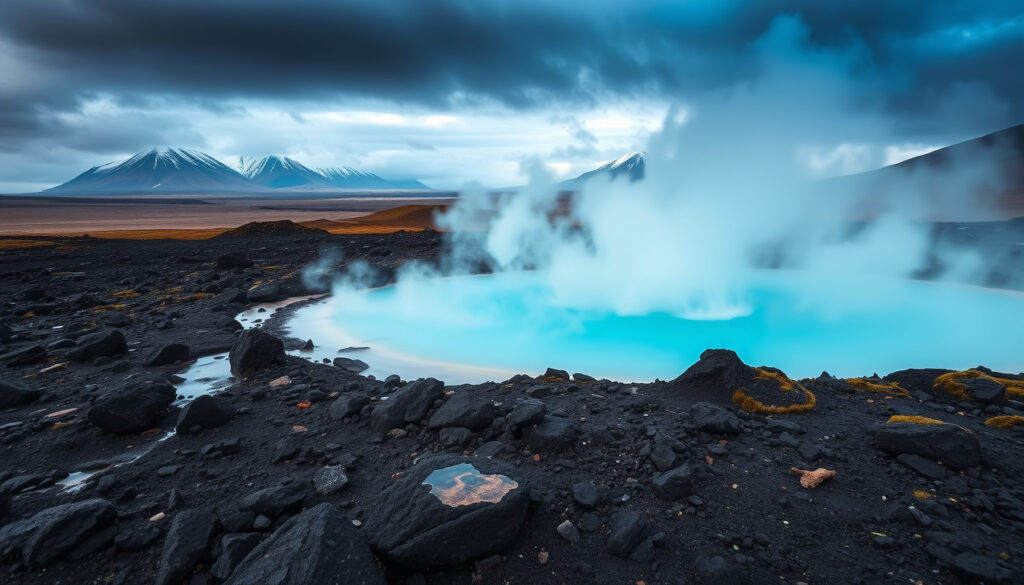
Iceland sits on one of the world’s most active geothermal zones, which means hot water bubbles up in hundreds of spots across the island — many of them open to the public for soaking. Whether you want a milky-blue spa with swim-up bars, a wild hot spring tucked behind a waterfall, or a humble neighborhood pool where locals unwind after work, Iceland has it. This guide maps out the options, from Reykjavik’s public system to Ring Road hidden gems, with temperatures, access details, and what makes each spot worth the detour.
Hot springs count: over 45 · Geothermal pools count: over 120 · Typical pool temperature: 26-32°C · Hot pot temperature range: 36-43°C · Top pools location: Reykjavik and Ring Road
Quick snapshot
- Iceland has over 120 geothermal pools according to Iceland Dream mapping data
- Reykjavik and surrounds host 17 geothermal swimming pools per the RE.is official blog
- 35+ locations mapped by the Iceland Hot Springs Map as documented by Soak Destinations
- Current real-time capacity and visitor flow data for major spas
- Detailed mineral composition comparisons between geothermal areas
- Environmental impact metrics from geothermal tourism operations
- Sky Lagoon expansion in Reykjavik metropolitan area
- Increased F-road access to highland pools post-2024
- Digital queue systems at Blue Lagoon (testing phase)
The table below summarizes key specifications for Iceland’s most-visited geothermal sites, including water temperature ranges, facility types, and access requirements.
| Location | Type | Temperature | Access |
|---|---|---|---|
| Blue Lagoon | Man-made spa | 37-40°C | Paid / pre-booking required |
| Secret Lagoon (Gamla Laug) | Natural spring | 36-40°C | Paid entry |
| Seljavallalaug | Historic outdoor pool | 38-54°F (3-12°C) | Free / unsupervised |
| Mývatn Nature Baths | Man-made facility | 36-40°C | Paid entry |
| Laugarvatn Fontana | Geothermal spa | 38-42°C | Paid entry |
| Geosea Húsavík | Geothermal seawater spa | 38-39°C | Paid entry |
| Reykjavik public pools | Community pools | 26-32°C (pools), 36-43°C (hot pots) | Low-cost admission |
| Landmannalaugar | Natural highland pool | Varies by season | Free / F-road required |
Best geothermal springs and pools Iceland
Iceland’s hot spring landscape spans from the internationally renowned Blue Lagoon to scrappy backcountry pools that barely qualify as maintained. The distinction matters: the most visited geothermal sight in the country is the Geysir Geothermal Area on the Golden Circle, home to Strokkur, which erupts about every five minutes, shooting water roughly 50 feet into the air. That attraction draws coachloads of tourists precisely because it’s predictable and dramatic. But for soaking, the picture is different and more interesting.
The Blue Lagoon earns its reputation as the most famous geothermal spa in Iceland (RE.is), with milky blue water, swim-up bars, and a setting that photographs beautifully. It sits near Grindavík on the Reykjanes peninsula, which itself is a UNESCO Global Geopark — a designation that speaks to the area’s extraordinary geothermal geology (Nordic Visitor). The krýsuvík geothermal area lies directly on a fissure zone created by the separation of the Mid-Atlantic Ridge, and the nearby Seltún field showcases volcanic fumaroles, mud pots, and hot springs with vivid yellows, reds, and greens from sulfur interacting with soil minerals.
Top picks in Reykjavik
Reykjavik and its immediate surrounds contain 17 geothermal swimming pools (RE.is), making it one of the densest concentrations of geothermal bathing infrastructure anywhere in the world. The city’s public pools operate like community centers — most have slides, hot pots (deep soaking pools heated to 36-43°C), steam rooms, and saunas. Laugardalslaug is the flagship, but smaller neighborhood pools like Vesturbæjarlaug offer a more local experience. Entry runs a few thousand Icelandic krónur, making this one of the most affordable ways to experience the geothermal culture.
Reykjavik’s pool culture runs deeper than tourism. Locals soak year-round in any weather — rain, snow, or midnight sun. For visitors, these pools offer something the famous spas cannot: a window into how Icelanders actually live with their geothermal resource. The social atmosphere is casual, communal, and distinctly unpretentious — more about connection than pampering.
Ring Road highlights
The Ring Road (Route 1) wraps around Iceland and passes within range of dozens of soaking options. The Secret Lagoon, or Gamla Laug, sits on the south coast and qualifies as one of the country’s oldest pools — the natural hot spring feeds a simple concrete basin that hasn’t changed much over the decades. Mývatn Nature Baths, in the north, is a man-made facility supplied with water from the nearby National Power Company, with geothermal water carrying high sulfur content that gives the water a distinctive mineral character (Katherine Belarmino Travel Blog).
North Iceland also offers Námafjall, one of Iceland’s most accessible and impressive geothermal areas, located directly along the Ring Road in North Iceland — and it’s far less crowded than Geysir (Rick Steves Europe). Grjótagjá Lava Cave, featured in Game of Thrones, is a hidden hot spring near Lake Mývatn, though access has been restricted at times due to temperature fluctuations. For something completely different, Geosea in Húsavík uses naturally heated seawater with mineral-rich water at 38-39°C in outdoor infinity pools overlooking the bay.
Secret spots
Landmannalaugar, deep in the Highlands, offers a natural pool surrounded by colorful rhyolite mountains — the color comes from volcanic minerals, and the effect is unlike anywhere else in Iceland. Access requires F-roads (highland tracks), typically open from late June through September. Seljavallalaug, an 82-foot-long pool built into the hillside between Seljalandsfoss and Skógafoss waterfalls on the south coast, dates back decades and remains free and unsupervised (Anywhere We Roam). The water runs lukewarm at best during summer, peaking between 38°F and 54°F, which means it’s more of a scenic wade than a proper soak — but the setting compensates.
Geothermal pools Iceland map
Finding your way around Iceland’s geothermal sites requires knowing which maps to trust and which spots require advance planning versus spontaneous detours.
Interactive maps
The Iceland Hot Springs Map provides detailed guides to 35+ locations, organized by cost, temperature, season, and visitor reviews (Soak Destinations). This resource covers everything from guarded-entry spas to completely wild hot springs with no infrastructure. Google Maps overlays also exist, though accuracy varies for remote highland locations.
Reykjavik area
Within Reykjavik proper, the city’s own website and the Reykjavik City Card app both list public pool locations, hours, and current temperatures — a surprisingly practical tool. Most pools open from 6:30 AM and close between 9 PM and 10 PM, with earlier closing on weekends.
Nationwide overview
The Reykjanes peninsula, the Golden Circle, the south coast, the Lake Mývatn region, and the Westfjords each contain distinct clusters of geothermal activity. The Ring Road connects these clusters, making multi-day soaker itineraries straightforward to plan — you can reasonably visit pools near Reykjavik on day one, the Secret Lagoon on day two or three, and Mývatn Nature Baths on day four or five, depending on driving distances.
The Golden Circle — Þingvellir National Park, Geysir Geothermal Area, and Gullfoss waterfall — includes Geysir, the most visited geothermal sight in the country and home to the world’s first-known geyser (Rick Steves Europe). Þingvellir is also a UNESCO World Heritage site where visitors can walk between two tectonic plates.
Geothermal pool Iceland Reykjavik
Reykjavik’s geothermal pool system is genuinely unique: 17 pools (RE.is) scattered across the city, operated at municipal cost and open to residents and visitors alike for modest admission fees. This isn’t a tourist product — it’s civic infrastructure that happens to deliver world-class bathing.
Public pools
The standard Reykjavik public pool features a cold swimming pool (26-32°C), one or more hot pots (36-43°C), a steam room, and a sauna. Changing rooms include private shower stalls (mandatory pre-swim), and most locations have cafe or vending facilities. Laugardalslaug has a water slide and outdoor hot pots that stay open year-round even in winter, making it particularly popular with families.
Hot pots
The hot pot culture here differs from formal spa experiences. There’s no reservations system, no robes, no treatments — just bring a towel, pay entry, and soak. Locals stay for an hour or more, often bringing cool drinks in waterproof pouches. The social atmosphere is casual, communal, and distinctly unpretentious.
Access details
Admission at Reykjavik municipal pools typically costs between 1,000 and 1,500 ISK for adults (roughly $7-11 USD at recent exchange rates). Children under 18 often enter free or at deep discount. Opening hours vary by location, with some pools operating early-morning sessions starting at 6:30 AM — a favorite among locals who swim laps before work. The Reykjavik City Card provides free entry to most municipal pools and discounts at others.
“The pool is where Reykjavik people go to meet their neighbors, complain about the weather, and forget about work.”— Lonely Planet Iceland guide
Geothermal pool vs hot springs
The distinction between a geothermal pool and a hot spring isn’t always obvious to outsiders, but it matters for expectations around access, maintenance, water quality, and atmosphere.
Natural vs man-made
A hot spring is any geothermal feature where water naturally emerges from the ground — wild, often unsupervised, and subject to temperature fluctuation. A geothermal pool is a constructed bathing facility, either purpose-built or adapted from an existing spring, that offers managed entry, water treatment where needed, and consistent temperatures. Iceland’s most famous geothermal pools — the Blue Lagoon, Mývatn Nature Baths, Laugarvatn Fontana — are all man-made installations that pipe water from geothermal sources into designed basins.
Temperature differences
Wild hot springs can range from barely warm to scalding, sometimes within the same stream. Seljavallalaug, for example, runs lukewarm even in peak summer, while some remote hot springs bubble at temperatures unsuitable for bathing. Man-made pools maintain consistent temperatures: standard swimming pools hold around 26-32°C, while hot pots are kept at 36-43°C. Geosea Húsavík, which uses seawater, maintains a notably consistent 38-39°C in its outdoor infinity pools.
Usage comparison
Natural hot springs tend to attract hikers and adventurers willing to navigate rough terrain for a remote experience. Geothermal pools — especially in the urban Reykjavik system — serve as community gathering spaces where social interaction matters as much as the water itself. The Blue Lagoon, at the premium end, functions more like a destination resort with restaurants, skincare products, and spa treatments.
Natural hot springs offer solitude and dramatic settings, but you soak at your own risk with no facilities and temperatures that can change without warning. Geothermal pools offer reliability, safety, and social atmosphere — but at busier sites, you’re sharing the experience with dozens of other visitors.
Both options have their place depending on what you’re after: remote natural springs reward those willing to plan for seasonal access and variable conditions, while Reykjavik’s public pools deliver a consistently comfortable soak in a deeply local setting.
This comparison clarifies the core choice visitors face: managed convenience versus wild adventure, each with distinct trade-offs in Iceland’s geothermal landscape.
Hot springs Iceland map
Iceland’s hot springs extend far beyond the famous spas, with wild geothermal features scattered across volcanic landscapes that range from accessible roadside stops to multi-day hiking destinations.
Key locations
The Reykjanes peninsula, Geysir Geothermal Area, Þingvellir, Landmannalaugar, the Mývatn region, and the Westfjords each host distinct concentrations of hot springs. The Geysir area itself sees Strokkur erupting every five minutes — predictable enough that it functions as a geothermal clock. The Great Geysir (Stori-Geysir), the original after which all others are named, has been dormant since 1916, only briefly reviving in 1935 (Visit South Iceland).
Remote access
May to September represents the best season for visiting Iceland hot springs due to better weather and clearer trails (Soak Destinations). Outside this window, highland F-roads close, daylight hours shrink, and some remote pools become dangerous to access. The Westfjords, though remote, contains several soaking options that see far fewer visitors than the south coast alternatives.
Safety notes
Wild hot springs can look inviting but carry risks: scalding temperatures, unstable ground around geothermal areas, and sudden changes in water level. The Seltún geothermal field contains volcanic fumaroles, mud pots and hot springs with bright yellows, reds and greens from sulfur interacting with soil minerals (Nordic Visitor) — beautiful but requiring careful navigation. Always check current conditions, tell someone your plans for remote locations, and never enter unmarked thermal features.
“Iceland’s geothermal energy is ingrained in its culture, its daily life, and its very landscape — you can feel it under your feet almost everywhere on the island.”— Visit Iceland expert
Visitors who respect the boundary between observation and submersion in geothermal areas tend to have safer, more enjoyable experiences overall.
The table below breaks down the practical differences between geothermal pools and natural hot springs to help you choose based on your priorities.
| Feature | Geothermal Pool | Hot Spring |
|---|---|---|
| Structure | Man-made or adapted basin | Natural ground emergence |
| Temperature control | Managed and consistent | Variable, unpredictable |
| Access | Paid entry, set hours | Often free, 24/7 where accessible |
| Facilities | Changing rooms, showers, often sauna | None or minimal |
| Social atmosphere | Community-oriented (pools) or resort-style (spas) | Intimate, adventurous |
| Best for | Reliable soak, local culture immersion | Scenic remote experience, solitude |
| Examples | Blue Lagoon, Reykjavik public pools, Mývatn Nature Baths | Seljavallalaug, Grjótagjá, Landmannalaugar natural pool |
Related reading: Universal Declaration of Human Rights: History & Articles
wellandgoodtravel.com, travellocal.com, findinghotsprings.com, epiciceland.net
While public pools draw crowds, Iceland’s Natural Geothermal Pools Map spotlights the best natural geothermal rivers and Reykjavik-area soaks with precise mapping.
Frequently asked questions
How many geothermal pools are in Iceland?
Iceland has over 120 geothermal pools across the country, with 17 concentrated in Reykjavik and its immediate surrounds. Beyond formal pools, the Iceland Hot Springs Map documents 35+ hot spring locations with varying levels of access and development.
What is the temperature of geothermal pools?
Standard swimming pools run 26-32°C, while hot pots — the deep soaking pools common at Reykjavik public facilities — are maintained at 36-43°C. Premium spas like the Blue Lagoon hold around 37-40°C. Wild hot springs vary widely, from lukewarm to scalding.
Are geothermal pools free in Iceland?
Not typically. Major geothermal spas like the Blue Lagoon and Mývatn Nature Baths charge premium admission. Reykjavik’s municipal pools charge modest fees (roughly $7-11 USD for adults). Some historic pools like Seljavallalaug remain free and unsupervised.
Can I visit geothermal pools in winter?
Yes — Reykjavik’s public pools operate year-round and the outdoor hot pots stay open even in snow. The Blue Lagoon and other major spas remain accessible in winter. Highland pools like Landmannalaugar close due to F-road conditions, typically from October through May.
What to bring to Icelandic hot springs?
Bring a towel (rentable at most paid pools), swimwear, and flip-flops for wet floors. Shower before entering — this is mandatory at Reykjavik municipal pools. For wild hot springs, bring water shoes, a towel, and a change of clothes. Avoid bringing electronics near water.
Are there private geothermal pools?
Several luxury accommodations in Iceland feature private geothermal pools or hot tubs for guests, including boutique hotels near the Blue Lagoon, some Ring Road lodges, and highland campsites at Landmannalaugar. These vary from shared outdoor soaker pools to fully private soaking experiences.
How to book popular geothermal spas?
The Blue Lagoon requires advance booking — same-day walk-ins are rarely available. Mývatn Nature Baths and Laugarvatn Fontana also recommend or require reservations during peak season. Reykjavik’s municipal pools operate on a walk-in basis with no advance booking needed.
More related posts
 Vehicle Recall Instrument Panel: Ford & Hyundai Recalls
 Come Out Ye Black and Tans: Meaning, History, and Controversy
 Electric Ireland Contact Number: Residential & Business Phone
 South Africa vs England 2026: Score, Time, Channel & How to Watch
 Why Am I Farting So Much? Causes, Solutions & When to Worry
 How to Remove Lice: Effective Treatments and Home Remedies
 New to Netflix Ireland? What’s New & Trending Now
 Mount Merrion Community Centre: Events, Classes, Contact & More