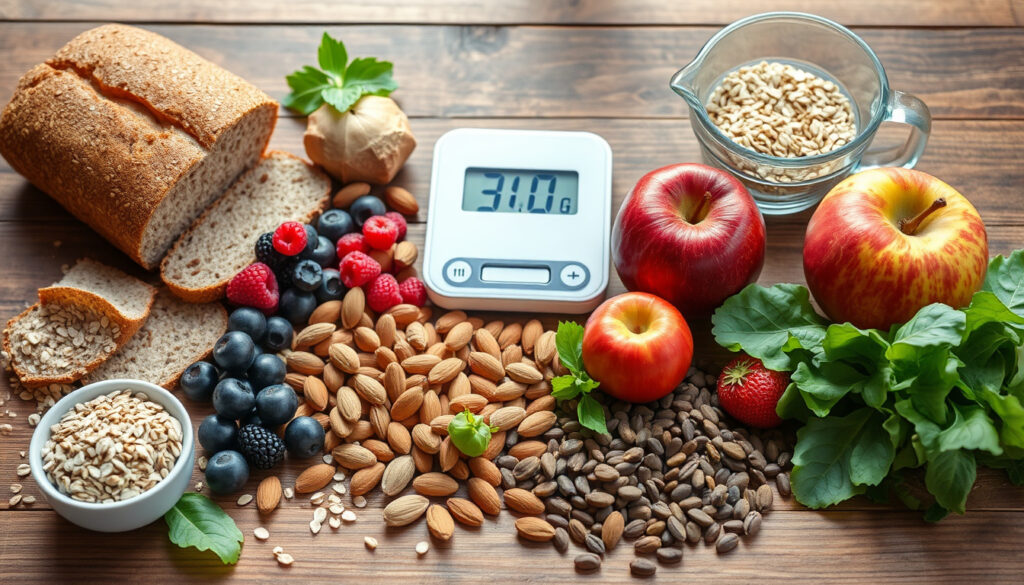
Foods High in Fibre: Complete Guide to 30g Daily Target
If you’ve ever wondered why you feel full after a bowl of porridge but sluggish by mid-morning, or why that salad you had for lunch didn’t seem to “move things along,” you’re not alone. Fibre is one of those nutrients we all know we should eat more of, yet most of us in the UK are getting nowhere near the recommended amount. This guide cuts through the noise to show you exactly which foods pack the biggest fibre punch, why the official 30g daily target matters, and how to fix your intake without overhauling your entire life. You’ll also find the practical answers to common questions like whether bananas really help constipation and why lentils deserve a permanent spot in your kitchen cupboard.
Daily fibre target for adults (UK): 30 g · Average UK adult intake: 18 g · Top fibre source per 100g (cooked lentils): 7.9 g · Banana (medium) fibre content: 3.1 g · Weetabix (2 biscuits) fibre content: 7.2 g · Population meeting fibre recommendations: <10%
Key Facts at a Glance
- UK recommendation: 30 g per day for adults
- Current reality: Most people manage only about 18 g
- The gap: Less than 1 in 10 adults hits the target
- Lentils (cooked): 7.9 g per 100 g
- Weetabix (2 biscuits): 7.2 g
- Medium pear: 5.5 g
- Medium banana: 3.1 g
- Digestive health: Prevents constipation and keeps bowel movements regular
- Heart health: Helps lower cholesterol and blood pressure
- Weight management: Increases fullness and reduces overeating
- NHS warning: Many people in the UK do not eat enough fibre
- BDA advice: Fibre is essential for good digestive health
- Practical fix: Small swaps can close the gap quickly
What Is Fibre and Why Do You Need It?
Fibre is the indigestible part of plant foods that passes through your digestive system largely intact. Unlike other carbohydrates, your body cannot break it down into sugar, which means it doesn’t spike your blood glucose levels. Instead, fibre does two crucial jobs: it adds bulk to your stool, making it easier to pass, and it feeds the beneficial bacteria in your gut, which supports everything from digestion to immune function.
The NHS notes that many people in the UK do not eat enough fibre, and the British Dietetic Association lists wholemeal and wholegrain foods, fruits, vegetables, beans, pulses, and nuts as the key sources. Essentially, fibre is the foundation of a healthy gut, and without it, your digestive system slows down, leading to discomfort and irregularity.
“Many people in the UK do not eat enough fibre.” — NHS
How Much Fibre Do You Actually Need?
The recommended daily fibre intake in the UK is 30 g for adults, according to Cambridge University Hospitals NHS Trust. This figure is based on extensive research linking adequate fibre intake with reduced risk of heart disease, stroke, type 2 diabetes, and bowel cancer. However, the average UK adult only manages around 18 g per day, leaving a significant gap that most people don’t even realise exists.
The British Dietetic Association confirms that adults should aim for 30 g daily, and the NIDDK adds that some adults may not get enough fibre because they lose interest in food or don’t prioritise it. Interestingly, Cambridge University Hospitals notes there is no strict upper limit for fibre, but exceeding 30 g without increasing fluid intake can cause bloating and discomfort.
The 30 g target isn’t arbitrary—it’s the level where fibre’s protective effects on heart health and bowel regularity become most pronounced. Yet fewer than 10% of UK adults reach it.
Which Foods Top the Fibre Charts?
What food has the highest fibre content?
Not all fibre is created equal, and some foods pack a far bigger punch than others. When you’re trying to hit that 30 g target, knowing which foods deliver the most fibre per gram can make all the difference. Here’s how the top performers stack up:
| Food | Fibre per serving | Serving size |
|---|---|---|
| Lentils (cooked) | 7.9 g | 100 g |
| Weetabix | 7.2 g | 2 biscuits |
| Pear (with skin) | 5.5 g | 1 medium |
| Banana | 3.1 g | 1 medium |
| Avocado | 6.7 g | 100 g |
| Raspberries | 8.0 g | 100 g |
Legumes—lentils, chickpeas, and beans—are the undisputed champions of the fibre world. A single 100 g serving of cooked lentils delivers 7.9 g of fibre, which is more than a quarter of your daily target. The British Dietetic Association highlights beans and pulses as among the best fibre sources, and research backs this up: they’re cheap, versatile, and incredibly filling.
Why Legumes Rank Highest
- Lentils and beans provide 6-8 g fibre per 100 g cooked
- Chickpeas deliver 7.6 g per 100 g cooked
- Kidney beans offer 6.4 g per 100 g cooked
Legumes are so effective because they contain both soluble and insoluble fibre. The soluble fibre forms a gel in your gut, slowing digestion and helping you feel full, while the insoluble fibre adds bulk to your stool, preventing constipation.
How to Eat the Highest Fibre Foods Daily
- Add a handful of lentils to soups, stews, or salads
- Swap half your meat in bolognese or chilli for beans
- Choose wholemeal bread over white—it has roughly 2 g more per slice
- Keep a bowl of raspberries or a pear for snacks
You don’t need to eat all of these in one meal. The trick is to spread fibre across the day so your digestive system can handle it comfortably. Start with breakfast: a bowl of Weetabix gives you 7.2 g, and a sliced banana adds another 3.1 g—that’s over a third of your daily target before you even leave the house.
What drink is high in fibre?
While most clear liquids contain negligible fibre, certain drinks can contribute. The British Dietetic Association notes that prune juice provides about 2.5 g per 8 oz serving, and smoothies made with berries and flaxseed can be high in fibre. Coffee and tea offer no fibre, so they don’t count toward your target.
Which Foods to Limit for Constipation Relief
What are the 10 most constipating foods?
While increasing fibre is the obvious answer for constipation, some foods can actually make it worse. If you’re already struggling with digestive issues, certain items in your diet might be compounding the problem rather than helping.
How Dairy Affects Bowel Movements
- Dairy can slow gut motility in sensitive individuals
- Excess cheese and milk can worsen constipation symptoms
- Full-fat dairy is more likely to cause issues than low-fat versions
Dairy doesn’t cause constipation in everyone, but for those who are sensitive, the proteins and fats in milk and cheese can slow the digestive process. If you suspect dairy is contributing, try reducing it for a week and see if your symptoms improve.
Role of Processed Foods
- White bread and pasta have been stripped of most fibre
- Sugary snacks and pastries provide little to no fibre
- Fast food options are typically very low in fibre and high in fat
Processed foods are problematic for two reasons: they’re low in fibre, and they often contain high levels of fat and sugar, which can slow digestion. The NHS advises replacing refined grains with wholegrain alternatives, and this simple swap can add several grams of fibre to your daily total.
How to Increase Fibre Without Discomfort
Which fibre helps you poop more?
Jumping from 18 g to 30 g overnight is a recipe for bloating, gas, and cramping. Your gut needs time to adapt to a higher fibre load, which means increasing gradually and drinking plenty of water. The NIDDK recommends making slow changes rather than drastic ones.
The Right Way to Ramp Up
- Increase your fibre intake by 2-3 g every few days
- Drink at least 1.5-2 litres of water daily to help fibre move through
- Spread fibre across all meals rather than loading up at one
- Pair fibre with physical activity, which stimulates bowel movements
One common mistake is adding fibre without increasing fluids. Fibre absorbs water, so if you don’t drink enough, you can actually worsen constipation. The NHS specifically warns that fibre needs fluid to work effectively, so make hydration a priority alongside your dietary changes.
Practical Ways to Hit 30g Every Day
How can I get 100% fibre daily?
Reaching 30 g of fibre doesn’t require exotic ingredients or complicated recipes. It’s about making smart swaps and building fibre into meals you already eat. Here’s a realistic day that gets you to target:
| Meal | Food choice | Fibre content |
|---|---|---|
| Breakfast | Weetabix (2 biscuits) + banana | 10.3 g |
| Lunch | Wholemeal sandwich with lentil soup | 8.0 g |
| Snack | Pear + handful of almonds | 6.5 g |
| Dinner | Chilli with kidney beans & brown rice | 9.0 g |
That’s over 33 g of fibre—above the daily target—without feeling like you’re following a restrictive diet. The key is variety, because different fibres feed different gut bacteria, and diversity in your gut microbiome is linked to better overall health. The British Dietetic Association recommends aiming for 30 g across a mix of sources, not just a single food.
Real Questions About Fibre and Constipation
How to tell if poop is lacking fibre?
Hard, lumpy stools (Bristol Stool Chart types 1 and 2) indicate low fibre intake. Healthy poop is type 3 or 4—soft, well-formed, and easy to pass. Infrequent bowel movements and straining are also signs you may need more fibre.
Even with all the advice available, certain questions keep coming up. Let’s address some of the most common ones, based on what the health authorities actually say.
What are the top 5 high-fibre breakfast foods?
Bran flakes (approximately 5 g per 30 g serving), Weetabix (7.2 g for 2 biscuits), porridge made with 40 g oats (3.6 g), wholemeal toast (2 g per slice), and a bowl of raspberries (8.0 g per 100 g). The NHS suggests aiming for whole grain cereals at breakfast to start the day strong.
Does a banana help or hinder constipation?
A medium banana provides 3.1 g of fibre, which contributes to your daily total. However, NIDDK notes that unripe bananas contain resistant starch, which can be harder to digest and may worsen constipation in some people. Ripe bananas, on the other hand, are gentler on the gut and can help bulk stool.
Is psyllium husk better than food sources of fibre?
Psyllium husk is a concentrated soluble fibre supplement that NIDDK lists as effective for relieving constipation. However, food sources like legumes provide additional nutrients such as protein and iron, so they offer broader health benefits. Supplements can help bridge the gap, but they shouldn’t replace whole foods entirely.
Can too much fibre cause bloating?
Yes, particularly if you increase your intake too quickly. Cambridge University Hospitals NHS Trust advises increasing fibre gradually and drinking plenty of fluids to minimise bloating. If bloating persists, reduce the amount and build up more slowly.
Are frozen vegetables as high in fibre as fresh?
Generally, yes. Freezing preserves the fibre content of vegetables, and in some cases, frozen produce can have slightly higher fibre because it’s picked at peak ripeness. The British Dietetic Association confirms that frozen vegetables count toward your daily fibre intake just like fresh ones.
Do I need to soak beans to get their fibre?
Soaking dried beans is necessary for cooking and digestion, but it doesn’t reduce their fibre content. Canned beans, when rinsed, retain most of their fibre and are a convenient alternative. A 100 g serving of cooked kidney beans provides 6.4 g of fibre, according to NHS data.
Is it better to eat soluble or insoluble fibre for constipation?
Both are important. Soluble fibre, found in oats and legumes, absorbs water and forms a gel that softens stool, while insoluble fibre, found in whole grains and vegetables, adds bulk and speeds up transit. The NIDDK recommends a mix of both, as they work together to keep you regular.
The Bottom Line on Fibre
Fibre is the most underappreciated nutrient in the UK diet—it’s cheap, widely available, and backed by solid evidence for preventing constipation, lowering heart disease risk, and supporting weight management. The 30 g daily target is achievable with simple swaps, and the payoff is a digestive system that works the way it should. Start small, focus on legumes and whole grains, and let your gut adapt at its own pace. The next time you slice a pear or open a tin of lentils, remember: you’re not just eating food—you’re feeding the billions of bacteria that keep you healthy.
More related posts
 Restaurants in Dún Laoghaire: Harbour Views & Italian Picks
 Ireland A vs England A – Verified Result and Key Facts
 Irish Public Holidays 2026: Republic and Northern Ireland Dates
 Empire of the Kop: What It Is, Who Runs It, and How to Follow
 Best Fixed Term Deposit Rates Ireland 2026: Compare Top Offers
 How to Copy and Paste on a Chromebook: Shortcuts & Fixes
 When Can Liverpool Win the League? 2026 Title Race
 2025 Toyota Land Cruiser Price Ireland: New & Used