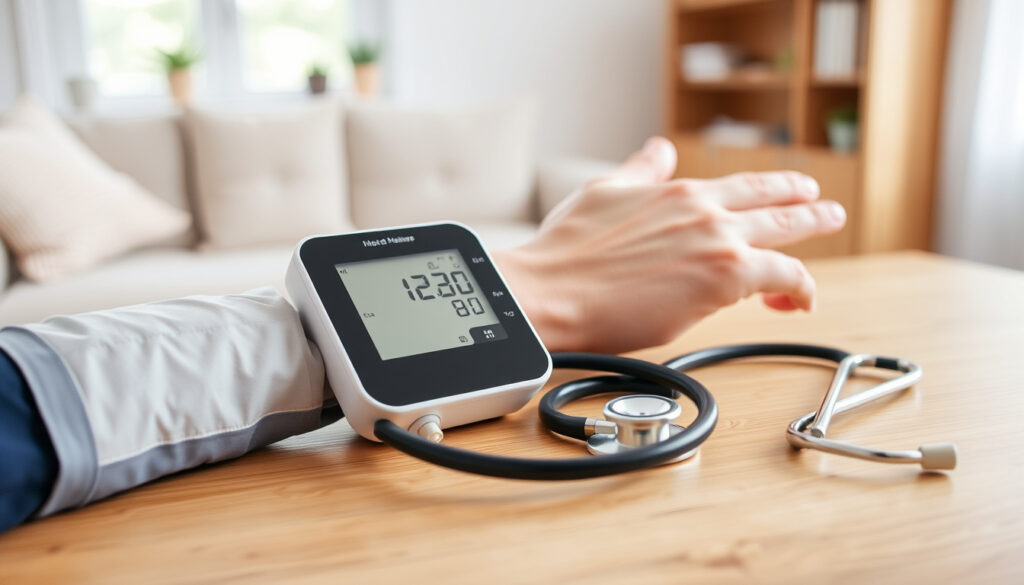
How to Measure Blood Pressure at Home Correctly
Few things spike your blood pressure like getting it checked at the doctor’s office. That’s why home monitoring is central to managing hypertension—but only if you do it right. This guide walks through the exact steps, the tools that actually work, and the common mistakes that throw off your numbers, all backed by guidance from the American Heart Association, the CDC, and the Mayo Clinic.
Hypertension prevalence in U.S. adults: 45% (CDC 2023) ·
Recommended home monitoring frequency: Twice daily (morning and evening) ·
Accuracy of validated automatic cuffs: Within ±3 mmHg ·
White coat hypertension prevalence: 15–30% of patients
Quick snapshot
- Upper arm cuffs are the most accurate home devices (American Heart Association (clinical guideline body))
- Resting 5 minutes before measurement improves accuracy (CDC (U.S. public health agency))
- Accuracy of finger-based monitoring methods varies widely (American Heart Association)
- Smartwatch blood pressure without cuff calibration remains experimental (American Medical Association (physician advocacy organization))
- AHA home blood pressure guidance last updated 2025-08-14 (American Heart Association)
- NICE hypertension guideline published 2019-08-28 (NICE (UK clinical guidance authority))
- Validated upper-arm monitors remain the gold standard; avoid finger and wrist devices for routine use (Mayo Clinic (leading medical center))
- Phone-based BP measurement needs a validated Bluetooth cuff—no app works alone (American Medical Association)
Three definitions from the AHA and CDC spell out where your numbers land:
| Category | Blood pressure range | Source |
|---|---|---|
| Normal | <120/80 mmHg | American Heart Association |
| Elevated | 120–129/<80 mmHg | American Heart Association |
| Hypertension Stage 1 | 130–139/80–89 mmHg | American Heart Association |
| Hypertension Stage 2 | ≥140/≥90 mmHg | CDC |
| Target for home monitoring | Two readings, 1 min apart, morning & evening | AHA Journals (cardiology research publisher) |
The pattern: a single category jump—from elevated to Stage 1—can change treatment decisions, so accurate home readings are not optional.
How can I check my blood pressure without a machine?
Using a wrist monitor
- Wrist monitors are not recommended by the AHA for routine home use (American Heart Association).
- Position matters: even with a validated wrist device, the wrist must be kept at heart level—deviating by even 2 cm can change a reading by 10 mmHg (Mayo Clinic).
Using fingers: the palpation method
- You can feel a pulse with your fingers, but this method cannot measure diastolic pressure (the bottom number) (American Heart Association).
- Symptoms alone (headache, dizziness) are an unreliable gauge—hypertension is often silent until alarmingly high (Mayo Clinic).
The catch: without a validated device, you’re essentially guessing. Even the palpation method only gives a partial picture.
Anyone who skips the cuff and relies on symptoms could miss a reading of 180/110—a hypertensive crisis that demands immediate medical attention.
The implication: home monitoring requires a device — guessing doesn’t work.
How do you check blood pressure with a machine?
Choosing a validated monitor
- The American Heart Association recommends an automatic, cuff-style, upper-arm monitor for home use (American Heart Association).
- The NHS England advises selecting a monitor listed as validated by the British and Irish Hypertension Society (NHS England (UK national health service)).
- The AMA states only validated monitors should be used (American Medical Association).
Step-by-step measurement process
- Place the cuff on bare skin (not over clothing) and ensure the lower edge is 2–3 cm above the elbow crease (CDC).
- Sit quietly for 5 minutes with your back supported, feet flat on the floor, and the arm resting at heart level (CDC).
- Take two or three readings one minute apart and average them (American Family Physician (clinical journal for family doctors)).
The trade-off: skipping the 5-minute rest or leaving the arm unsupported can inflate your numbers by 10–15 mmHg, turning a normal reading into a false alert.
Can I check my blood pressure with my phone?
App-based monitors
- A phone alone cannot measure blood pressure accurately—no app without a cuff has been cleared by the FDA (American Medical Association).
- Some apps use the camera flash (photoplethysmography), but studies show their error margins exceed the acceptable ±3 mmHg (PMC / NIH (U.S. medical research repository)).
Phone-connected cuffs
- Validated systems like the Withings BPM Connect pair via Bluetooth and store readings in an app, but the physical cuff is doing the measurement (NHS England).
- The phone simply replaces the display screen—no measurement happens on the phone itself.
The implication: if a smartphone app promises BP readings without a cuff, it’s not validated. Save your money—and your health data—for a real device.
Do any smart watches check blood pressure?
Samsung Galaxy Watch
- Some models offer blood pressure estimation using pulse wave analysis, but the feature requires calibration with a traditional cuff every 4 weeks (American Medical Association).
- Calibration drifts over time; missed calibrations degrade accuracy (AHA Journals).
Garmin Fenix 8
- The Garmin Fenix 8 does not include a blood pressure sensor—its optical sensor tracks heart rate, not BP (Mayo Clinic).
- No current Garmin watch measures blood pressure; marketing claims about “stress” or “body battery” do not equal BP monitoring.
Why this matters: consumers paying $700+ for a sport watch expecting BP tracking are getting a fitness tracker, not a medical device.
Is 140 over 70 ok blood pressure?
Understanding systolic and diastolic
- 140/70 mmHg indicates elevated systolic pressure (140) and normal diastolic (70). According to AHA, systolic 130–139 qualifies as Stage 1 hypertension (American Heart Association).
- Stage 2 hypertension starts at 140/90—so 140/70 is Stage 2 for systolic but normal for diastolic, creating a mixed picture (CDC).
When to seek medical advice
- A single reading is not diagnostic; average multiple readings over at least a week (NICE (UK clinical guideline authority)).
- If repeated home readings show systolic consistently ≥140, consult a clinician regardless of the diastolic number (Mayo Clinic).
The nuance: an isolated high systolic with normal diastolic is not rare in older adults, but it still requires management because it strains the arteries over time.
Upper arm vs. wrist vs. finger monitors
Three monitor types, one clear winner for accuracy:
| Type | Accuracy | Validation | Recommendation |
|---|---|---|---|
| Upper arm (automatic cuff) | Within ±3 mmHg when used correctly | Validated by BIHS, AHA, ESH | First choice for home monitoring (AHA) |
| Wrist | Highly sensitive to arm position; 10 mmHg error if off heart level | Very few models validated | Not recommended for routine use (AHA) |
| Finger | Not validated; poor correlation with arterial pressure | None | Not recommended (AHA) |
The pattern: upper-arm cuffs have decades of validation; anything else trades convenience for reliability.
Home blood pressure monitor specifications
Six specs to check before you buy:
| Specification | Typical range | Notes |
|---|---|---|
| Cuff size (arm circumference) | 22–42 cm (standard), 32–48 cm (large) | Measure bare upper arm mid-bicep (Mayo Clinic) |
| Cuff type | Bladderless / pre-formed | Bladderless cuffs are easier to self-apply (AHA Journals) |
| Measurement range | 0–299 mmHg | Most digital monitors cover this range |
| Memory | 90–120 readings per user | Essential for trend tracking (NHS England) |
| Battery life | 4–6 months (4 AA) or rechargeable | Low battery alerts prevent missed readings |
| Validation list | BIHS, AHA, ESH | Always check the source list before buying (British and Irish Hypertension Society) |
The catch: an otherwise perfect monitor gives bad readings if the cuff doesn’t fit—a 2 cm mismatch can erase the ±3 mmHg advantage.
Step-by-step: How to measure your blood pressure at home
Follow these 5 steps, based on CDC and AHA protocols:
- Prepare: Empty bladder, no caffeine, smoking or exercise in the last 30 minutes. Sit in a quiet room with back support, feet flat, arm resting on a table at heart level. (CDC)
- Rest: Sit quietly for 5 minutes without talking or using your phone. (CDC)
- Place the cuff: Wrap it snugly on bare skin, 2–3 cm above the elbow. The tubing should run down the center of your arm. Check that you can fit two fingers under the cuff. (American Heart Association)
- Measure: Press start. Keep your arm still and don’t talk. Read the display after the cuff deflates. Note the date and time. (CDC)
- Repeat: Wait 1–2 minutes, then take a second reading. Take a third if the first two differ by more than 5 mmHg. Record the average. (American Family Physician)
For anyone managing hypertension at home, the enemy is not the machine—it’s the skipping of step 2. The 5-minute rest is the single most cited cause of inflated readings when omitted.
If you’re concerned about heart symptoms that can mimic high blood pressure, see our guide on Pain in Right Arm: Heart Attack & Stroke Signs, Causes. Also read Ozempic Side Effects: What You Need to Know for context on medication interactions with BP.
Confirmed facts vs. what’s unclear
Confirmed facts
- Resting 5 minutes before measurement improves accuracy (CDC)
- Upper arm cuffs are the most accurate home devices (AHA)
- Wrist monitors are not recommended by the AHA for routine home use (AHA)
What’s unclear
- Accuracy of finger-based monitoring methods varies widely (AHA)
- Smartwatch blood pressure without cuff calibration remains experimental (AMA)
- The exact long-term benefit of self-monitoring on cardiovascular events is still being studied (AHA Journals)
The pattern: the confirmed facts outweigh the unclear, but uncertainty remains in new technologies.
Expert perspectives on home blood pressure monitoring
Home blood pressure monitoring provides a more accurate representation of a person’s usual blood pressure than a single office reading.
— American Medical Association, in a patient education summary (AMA)
Digital upper-arm monitors are often the most accurate for home use, but the cuff size must fit correctly—too small and you get a false high reading.
— Mayo Clinic, hypertension resource (Mayo Clinic)
The takeaway from both institutions is consistent: the tool matters, but the technique matters just as much. A validated monitor used incorrectly is no better than no monitor at all.
For the home monitor user in the U.S. or UK, the choice is clear: buy an upper-arm cuff from the BIHS or AHA validation list, commit to the 5-minute rest, and average two morning and two evening readings—or risk treating ghosts. Your doctor needs numbers you can trust, not numbers that reflect a rushed morning with an ill-fitting cuff.
heart.org, ama-assn.org, gpnotebook.com, aarp.org, youtube.com, nice.org.uk, cdc.gov, youtube.com
To get accurate readings, start by selecting a validated upper-arm cuff and following the proper procedure outlined below.
Frequently asked questions
How often should I check my blood pressure at home?
Twice daily—once in the morning before taking medication, and once in the evening. Each session should consist of two readings one minute apart, averaged. Avoid measuring immediately after eating, exercising, or smoking. (AHA Journals)
What time of day is best to measure blood pressure?
Morning within 30–60 minutes of waking and before breakfast or medication, and evening before dinner or bedtime. Consistency in timing matters more than absolute time. (CDC)
Can I measure blood pressure on my wrist?
Wrist monitors are not recommended for routine use by the AHA. If you must use one, keep the wrist at heart level—even 2 cm above or below introduces up to 10 mmHg error. (American Heart Association)
Should I take my blood pressure before or after medication?
Take readings before your antihypertensive dose each morning and in the evening before the night-time dose (if any). Recording before/after values helps your doctor assess medication effectiveness. (NICE)
What is a normal blood pressure reading for seniors?
For adults over 65, the same <120/80 mmHg target applies, though many guidelines treat 130–139/80–89 as acceptable if well tolerated. Always consult your clinician for individual targets. (AHA Journals)
Does anxiety affect home blood pressure readings?
Yes. White coat hypertension—where BP spikes in a medical setting—is well documented. Home monitoring reduces this effect but stress, caffeine, or even a tight cuff can mimic it. Relax for 5 minutes and take multiple readings. (PMC / NIH)
The takeaway: home monitoring is reliable when done correctly, but validate your device and technique.
More related posts
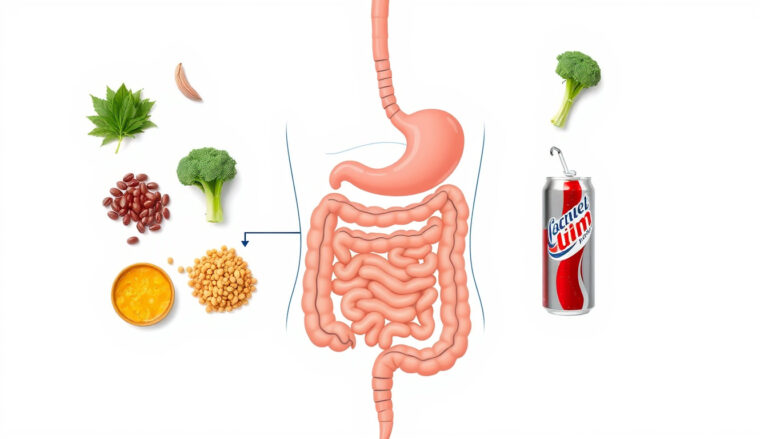 Why Am I Farting So Much? Causes, Solutions & When to Worry
 Man U vs Man City: Derby History, Stats & Who Is Better
 Home and Away Episodes – Where to Watch In Order
 KPop Demon Hunters Toys: Where to Buy
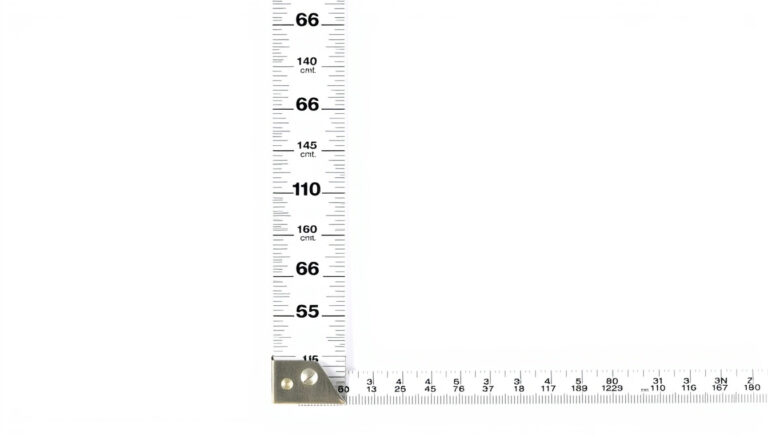 158 cm in Feet: Exact Conversion and Height Guide
 What Language is Spoken in Belgium? Official Languages Guide
 Car Insurance Calculator Ireland: Compare & Save 2026
 How to Use Google Lens: A Step-by-Step Guide for 2025